
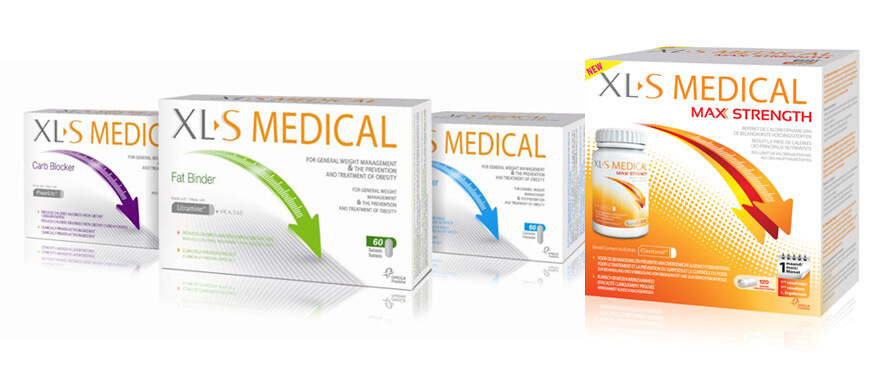
En tête des ventes de produits minceur en France, le dispositif médical XL-S Médical est connu dans le monde entier. Il promet une perte de poids spectaculaire aux personnes qui ont habituellement du mal à suivre un régime. A l’heure où la pression pour être mince est forte, il est logique que ce type de produits suscite l’intérêt des hommes et des femmes qui n’arrivent pas à maigrir. Mais qu’en est-il réellement ? La prise régulière de XL-S Médical va-t-elle permettre de déloger des kilos superflus, d’entamer une perte de poids durable et importante ou restera-t-elle sans effets ? Les avis sont divergents sur les différents forums de discussion qui abordent le sujet. Que faut-il en conclure ? Devez-vous vous laisser séduire par les promesses de ce dispositif médical vanté par Elodie Gossuin, Miss France et Miss Europe 2001, qui, malgré ses 2 grossesses gémellaires, affiche une ligne parfaite ? Toutes les réponses dans cet article.
XL-S Médical : une gamme de produits minceurs ciblés
Le dispositif médical XL-S Médical se décline en 4 produits qui répondent chacun à un problème spécifique. Tous les produits de la gamme sont en vente en pharmacie et parapharmacie sans prescription médicale.
XL-S Médical – Capteur de graisses
Présenté comme un produit universel par XL-S Médical, il vise les personnes en surpoids qui ont une alimentation riche en matières grasses (plats en sauce ou frits par exemple). Il promet une perte de poids 3 fois plus importante qu’avec un régime seul. Pour cela, ce produit va agir de 3 façons :
- Capter en moyenne 15% des graisses alimentaires (le résultat peut monter jusqu’à 28 % en fonction des personnes) ;
- Améliorer le transit intestinal ;
- Réduire la sensation de faim.
L’élément clé de ce produit minceur est la LitramineTM. Il s’agit d’un composé breveté naturel composé de fibres végétales qui vont capturer les molécules de graisse et permettre leur élimination par le transit intestinal.
Posologie et mode d’administration :
XL-S Médical – Capteur de graisses est disponible :
- en sticks : un stick trois fois par jour ;
- en comprimés : deux comprimés trois fois par jour.
Pour chacun de ces produits, la prise doit se faire juste après les repas.
XL-S Médical – Extra Fort
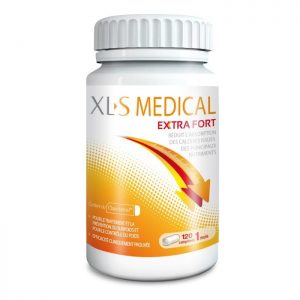 Ce dispositif médical vise particulièrement les personnes dont les apports alimentaires sont trop importants à la fois en sucre et en graisse. Il va permettre une meilleure absorption des sucres lents, des sucres rapides et des graisses par l’organisme.
Le secret ? C’est le ClavitanolTM, un complexe naturel breveté qui a une action mécanique sur la décomposition et l’absorption des nutriments.
Posologie et mode d’administration :
XL-S Médical – Extra Fort est disponible en comprimés. Une boite de 120 comprimés permet de suivre une cure d’un mois, à raison de 4 comprimés par jour. Il convient de prendre 2 comprimés 30 minutes avant les deux principaux repas de la journée (le déjeuner et le diner).
XL-S Médical – Bloqueur de glucides
Il s’agit d’un produit minceur destiné aux personnes en surpoids dont l’alimentation est particulièrement riche en sucres lents comme le pain, les pâtes, le riz, les pommes de terre, etc. La promesse faite par XL-S Médical est de réduire l’absorption des glucides par l’organisme. Une étude a démontré que les résultats obtenus pouvaient aller jusqu’à une baisse de 66% de glucides absorbés.
Cette fois-ci, c’est la PhaseliteTM qui permet d’obtenir une telle action sur les glucides. Ce complexe de glycoprotéines d’origine végétale va agir sur l’alpha-amylase. Il s’agit de l’enzyme qui est en charge de la digestion des glucides complexes par l’organisme.
Posologie et mode d’administration :
XL-S Médicale – Bloqueur de glucides est disponible sous forme de comprimés. Il convient d’avaler 2 comprimés avec un grand verre d’eau, 30 minutes avant les 3 repas de la journée. Une boite de 60 comprimés permet de suivre une cure de 10 jours.
XL-S Médical – Réducteur d’appétit
 Dernier produit minceur de la gamme XL-S Médical, ce dispositif médical cible les personnes en surpoids qui ne peuvent pas s’empêcher de grignoter et/ou qui ont un apport calorique journalier trop important. Il va permettre de réguler la quantité de nourriture avalée au long d’une journée. Son action repose sur l’augmentation de la sensation de satiété et donc la modération de l’appétit. La personne aura tendance à moins manger et donc perdra du poids.
Le succès de ce produit repose sur l’utilisation de la RedusureTM, un complexe de fibres végétales naturelles qui proviennent du konjac. Il s’agit d’une racine de plante réputée pour son action coupe-faim.
Posologie et mode d’administration :
XL-S Médical est vendu sous forme de comprimés. Pour un résultat optimal, la posologie est de 2 comprimés à prendre avec un grand verre d’eau 3 fois par jour (idéalement 30 minutes avant chaque repas).
Perd-on du poids avec XL-S Médical ?
Les promesses faites par XL-S Médical sont alléchantes. Pouvoir maigrir en continuant à manger est le rêve de beaucoup de personnes. Mais il faut être réaliste. Aucun produit minceur ne permet de perdre un nombre important de kilos sans surveiller a minima son alimentation. Pour maigrir avec XL-S Médical, il faut donc compléter la prise de ces comprimés minceurs avec une hygiène de vie saine.
Des produits efficaces en complément d’une bonne hygiène de vie
Les avis divergents sur l’efficacité de XL-S Médical proviennent de la communication faite par la marque autour de ses produits. Elle promet des résultats en conservant la même alimentation : vous pouvez manger des plats en sauce car les graisses vont être capturées et éliminées, etc. Pour des résultats positifs sur votre poids, vous devez suivre une hygiène de vie saine.
On peut alors se demander si la perte de poids enregistrée sera le fruit de ce changement d’alimentation, une conséquence d’une pratique sportive régulière ou le résultat de la cure XL-S Médical. Probablement un peu des 3. XL-S Médical permet de vous accompagner dans votre perte de poids et dans la reprise en main de votre alimentation. Il est un booster pour réduire vos grignotages et limite les dégâts en cas de dérapage.
Des effets secondaires possibles
Comme tout dispositif médical, des effets secondaires peuvent se faire ressentir. Si c’est le cas, n’hésitez pas à en parler à votre pharmacien.






Une question ou une réaction ? Publiez un commentaire !